Best Time of Year to Invest in Basement Waterproofing NJ
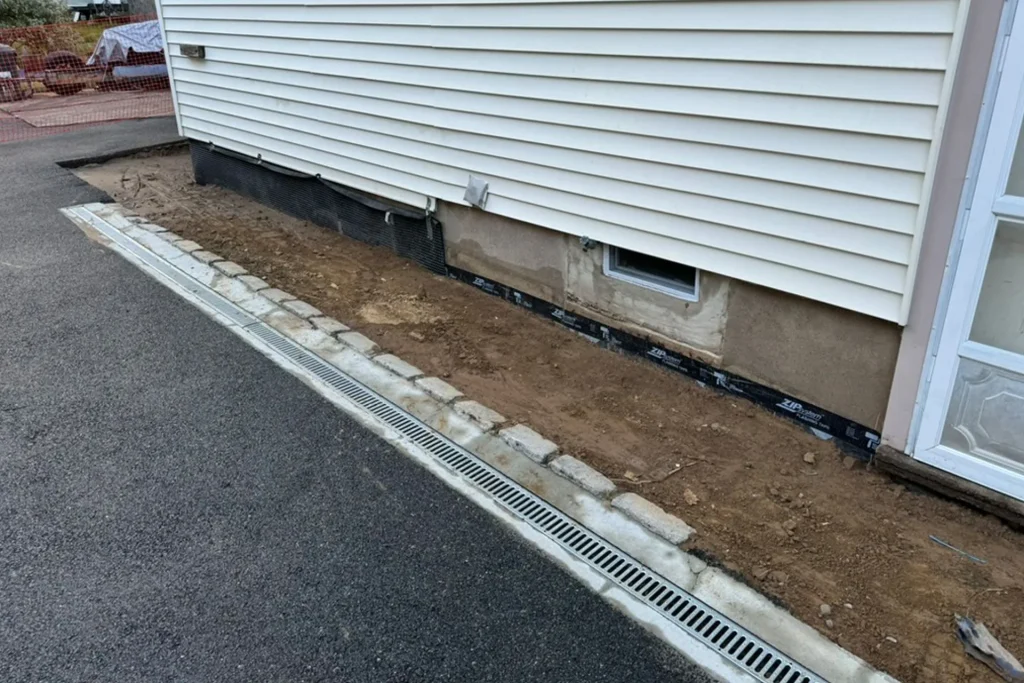
Homeowners in New Jersey rarely start thinking about basement waterproofing on a calm, dry afternoon in October. Most people start thinking about it when they step onto a damp floor, notice a musty smell after a storm, or find water creeping along a foundation wall during a spring downpour. That timing makes sense emotionally, but it is not always the best timing financially or practically.
If you own a home with a basement in New Jersey, timing matters more than many contractors admit. The state’s weather swings from snow and freeze-thaw cycles to heavy spring rain, humid summers, and tropical storm remnants. Soil conditions vary from one county to the next, but the underlying issue stays the same. Water always looks for the easiest path, and a basement gives it several opportunities.
The best time of year to invest in Basement Waterproofing NJ is usually late summer through fall, with a few important exceptions. That answer sounds simple, but the real decision depends on whether you are solving an active leak, preventing future damage, or planning a larger renovation. It also depends on how quickly your contractor can diagnose the cause, not just treat the symptom.
Why timing matters more in New Jersey than in many other states
New Jersey basements deal with a tough combination of weather patterns and housing stock. Many homes were built decades ago, long before modern drainage details became standard. Older foundations can be solid structurally and still be vulnerable to moisture intrusion. Add clay-heavy soils in some areas, high water tables in others, and frequent periods of driving rain, and you get a setting where basement water problems tend to repeat, not disappear on their own.
A homeowner in Bergen County may notice seepage after several consecutive rainy days because the soil around the foundation becomes saturated. A homeowner in Monmouth or Ocean County may have a different challenge, where groundwater and coastal storm patterns create pressure against below-grade walls. In parts of central and south Jersey, expansive soils and shifting moisture levels can stress foundation joints and create small entry points that become bigger over time.
This is why Basement Waterproofing NJ is not just a one-season concern. A wet basement often reflects a year-round pressure system, even if the visible symptoms peak during certain months.
The strongest case for late summer and fall
For most homeowners, late summer through fall is the best time to schedule waterproofing work. The reason is practical, not promotional.
By late summer, you have already seen how your home performs through spring rain and summer storms. If your basement showed warning signs earlier in the year, you now have enough evidence to describe the pattern clearly. Was the water coming in where the wall meets the floor? Did it appear near a window well? Was there condensation on pipes, or actual seepage through masonry? Those details matter, because not every wet basement has the same fix.
At the same time, the weather is often more cooperative for exterior work. Soil conditions are generally easier to manage than during a frozen winter or a soaked spring. Excavation for exterior waterproofing membranes, drainage improvements, or foundation crack repair is typically more predictable. Crews can move faster, and homeowners are less likely to face weather-related delays that stretch a one-week project into something much longer.
Fall also gives you a strategic advantage. If you complete the work before winter and before the next spring thaw, your basement enters the wettest parts of the year with protection already in place. That means you are not reacting under pressure when the first heavy March storm arrives.
There is another factor homeowners often overlook: scheduling. Good waterproofing contractors in New Jersey get very busy when heavy rains expose widespread basement issues. If you wait until peak complaint season, you may have fewer appointment options, longer wait times, and less flexibility on project dates. Booking in late summer or early fall often gives you more room to compare approaches and ask better questions.
Why spring feels urgent, but is often the hardest time to schedule
Spring is when many homeowners first realize they have a problem. Snowmelt, long rains, and saturated soil expose weaknesses fast. You may see damp block walls, puddling near the cove joint, peeling paint, white mineral deposits, or that unmistakable basement odor that tells you moisture has been building for a while.
From a diagnostic standpoint, spring can be revealing. If water appears only during the wettest stretches of the year, that tells an experienced contractor a lot about hydrostatic pressure, drainage loading, and likely failure points. In some cases, seeing the problem in real conditions helps determine whether the solution should be interior drainage, exterior waterproofing, grading correction, gutter discharge changes, sump pump installation, or a combination.
But spring is not always the easiest season to perform the work. Ground conditions can be muddy, excavation more difficult, and schedules backed up. If your basement is actively taking on water, you should not delay simply because the calendar is inconvenient. Still, if you are asking when to invest for the best mix of availability, preparation, and project conditions, spring tends to be reactive rather than ideal.
That said, there is one major exception. If your issue is severe enough to threaten finished space, stored belongings, electrical systems, or air quality, the best time is immediately. Seasonal strategy matters, but active water damage always overrides timing theory.
Winter is not off-limits, but it changes the job
A lot of homeowners assume waterproofing cannot be done in winter. That is only partly true. Some forms of basement waterproofing remain very feasible in cold weather, especially interior systems. Interior perimeter drainage, sump pump installation, vapor control measures, crack injections in suitable conditions, and dehumidification upgrades can often move forward without much trouble.
Exterior excavation-based systems are a different story. Once the ground is frozen or covered by repeated snow events, access becomes harder and costs can rise. Some contractors will still proceed when conditions allow, but the project may require more staging, more cleanup, and more weather watching.
Winter also creates confusion because moisture symptoms can shift. Homeowners may see condensation and assume they have a leak, or they may miss a groundwater issue because the basement appears dry during a colder stretch. Distinguishing between humidity, condensation, and true water intrusion is one of the more important judgment calls in this business. A basement with uninsulated cold surfaces and high indoor humidity can feel wet without groundwater actually entering. On the other hand, a foundation crack that stays quiet in January may become very active by April.
So winter is a workable season for some projects, just not usually the ideal season for major exterior waterproofing.
Summer can be excellent, depending on the problem
Summer in New Jersey brings its own basement headaches. Humidity climbs, air conditioners run constantly, and many basements start to smell stale even without visible water. Some homeowners interpret this as proof they do not need waterproofing because there are no puddles. In reality, chronic dampness can be just as important as a dramatic leak.
Early basement drainage systems NJ and mid-summer can be a good time for inspections, planning, and corrective work, especially if you want the project complete before fall leaves and winter freeze-thaw cycles complicate drainage outside. Summer also makes it easier to evaluate grading, downspout discharge, and how surface water moves across your lot during thunderstorms.
Where summer becomes less ideal is when homeowners mistake dry weather for resolution. A basement that seems fine in July may still have vulnerable joints, minor cracks, or marginal drainage that will fail under fall or spring pressure. Dry months are useful for prevention. They are not proof that the problem has disappeared.
The best season depends on the type of waterproofing you need
Not every basement issue should be treated the same way, and timing should match the scope of work. A single crack repair has a different scheduling profile than a full exterior membrane system or an interior drain tile installation.
Here is a practical way to think about it:
- Interior drainage and sump pump work can usually be done any time of year.
- Exterior excavation and foundation membrane work are often best scheduled from late summer into fall.
- Crack repair can be done in multiple seasons, but diagnosis matters more than the month.
- Humidity control and dehumidification are especially valuable before and during summer.
- Preventive inspections make the most sense before the wettest periods, not after them.
That framework helps homeowners avoid the common mistake of asking only, “What season is best?” The better question is, “What kind of water problem do I actually have?”
What a smart homeowner looks for before booking the job
Seasonal timing matters, but it should never replace good diagnosis. I have seen basements where the real fix was a simple gutter extension and regrading near one corner. I have also seen homes where those minor corrections helped a little, but hydrostatic pressure still forced water through the floor-wall joint until an interior drainage system was installed. On the other side of the spectrum, some homeowners are sold a major system when the actual culprit is poor window well drainage or a single failed penetration point.
Before moving forward, pay attention to pattern and history. Does the problem appear after every rain or only after long storms? Is the water localized or spread along several walls? Does it happen in one season or throughout the year? Have you noticed rust on appliances, swelling of trim, mildew on stored boxes, or efflorescence on masonry? Those clues often point to whether you are dealing with direct entry, trapped humidity, or both.
One of the most useful things a homeowner can do is document what happens. A few phone photos taken during or right after storms are often more helpful than a dry-day description. That record gives the contractor something concrete to evaluate and reduces guesswork.
Why waiting can get expensive, even if the leak seems minor
A damp basement does not always become a flooded basement overnight. More often, it degrades your house slowly. Stored items absorb moisture. Framing near the slab edge stays damp. Paint blisters. Metal surfaces corrode. Finished basements hide problems behind drywall until the smell gives them away. The direct cost of waterproofing can sting, but the cost of delay often spreads into flooring replacement, mold remediation, ruined furniture, insulation loss, and reduced usable space.
In New Jersey, where many basements double as mechanical rooms, laundry areas, storage space, home offices, gyms, or family rooms, the financial calculation goes beyond the foundation itself. If your water heater, boiler, electrical panel, or ductwork sits in a chronically wet environment, the hidden wear can become part of the long-term bill.
There is also resale to consider. Buyers are far more cautious than they used to be about below-grade moisture. A basement that smells damp during a showing raises questions immediately, even if there is no visible standing water that day. Waterproofing done proactively, with clear documentation, often puts a seller in a stronger position than someone trying to explain away a problem once it has become obvious.
The off-season advantage some homeowners overlook
There is a quieter benefit to planning waterproofing before a crisis hits. You make better decisions when you are not standing in water with a shop vacuum running.
During emergency periods, homeowners tend to focus on the fastest promise rather than the best diagnosis. They may skip comparisons, overlook warranty details, or agree to a solution that addresses symptoms without addressing source conditions. When you schedule during a less frantic window, you can ask more pointed questions. Why this method instead of that one? Is the recommendation based on hydrostatic pressure, exterior intrusion, surface runoff, or humidity? What maintenance will the system require? How will the work affect a finished basement?
That calmer process often leads to better outcomes than emergency buying.
Signs you should not wait for the “perfect” season
There are times when seasonal planning needs to give way to immediate action. If any of these are happening, do not wait for fall just because it is usually the best timing:
- Standing water appears after rain or snowmelt.
- You notice moldy odors getting stronger week by week.
- Cracks are widening or showing repeat moisture.
- Finished walls or flooring feel damp.
- Your sump pump is failing, overwhelmed, or nonexistent in a basement that clearly needs one.
In those cases, get the basement evaluated now. The “best” time of year becomes the earliest practical opening.
How Basement Waterproofing NJ fits into bigger home maintenance planning
The smartest homeowners usually treat basement waterproofing as part of a larger water-management strategy. The basement itself is the final checkpoint, not the first. Water should be controlled at the roof, moved away by gutters and downspouts, directed by grading, intercepted where needed, and managed at the foundation with the right combination of barriers and drainage paths.
This is especially true in New Jersey neighborhoods with mature landscaping, older hardscaping, and additions built over time. A patio installed with the wrong pitch, a settled walkway, clogged leaders, or a flower bed built too high against siding can all contribute to what looks like a basement-only issue. Waterproofing works best when the whole exterior water picture is considered.
That does not mean every project needs to be huge. Sometimes the interior system is the right answer even after exterior improvements are made. The point is that timing your investment well should include enough lead time for a proper site review, not just a quick glance at the basement wall.
A realistic calendar for New Jersey homeowners
If you want the most practical timing, think in terms of the whole year rather than a single “best month.”
Late winter into spring is the season when problems often reveal themselves. If you see water, odors, or seepage, document it and get it inspected. Early summer is a good time to sort diagnosis from guesswork and decide whether the issue is drainage, pressure, crack-related, or humidity-driven. Late summer into fall is often the sweet spot for completing larger waterproofing work under more favorable conditions. Winter is best reserved for interior projects, urgent repairs, or planning the work you want ready before spring returns.
That rhythm matches the way basements actually behave in New Jersey.
The bottom line on timing
If your basement is actively leaking, the best time to invest is now. If you are planning ahead and want the most favorable season for availability, site conditions, and preparedness, late summer through fall is usually the best time to invest in Basement Waterproofing NJ.
That window gives homeowners several advantages at once. You can evaluate what happened during the wetter months, schedule work before winter and spring create fresh stress on the foundation, and often complete exterior-focused projects under steadier conditions. Just as important, you are making the decision before the next emergency, not during it.
A dry basement is rarely the result of luck. It usually comes from timing, diagnosis, and doing the right scope of work before a manageable problem turns into structural damage, indoor air issues, or a ruined finished space. In New Jersey, where seasonal moisture pressure is a fact of life, that kind of planning pays off.
ARD Waterproofing
Address: 98 Smull Ave, West Caldwell, NJ 07006
Phone number: +12016465936
FAQ About Basement Waterproofing NJ
What is the best waterproofing method for a basement?
The best overall approach to waterproofing a basement is a combined exterior and interior system that stops water at the foundation wall and safely manages any moisture that gets through.
What is the average cost to waterproof a basement?
The average cost to waterproof a basement ranges from $2,500 to $15,000, with most homeowners paying around $5,200 for a complete project.
Can a basement be waterproofed from the inside?
Yes, a basement can be waterproofed from the inside, and it is often the most affordable and least disruptive method.